News
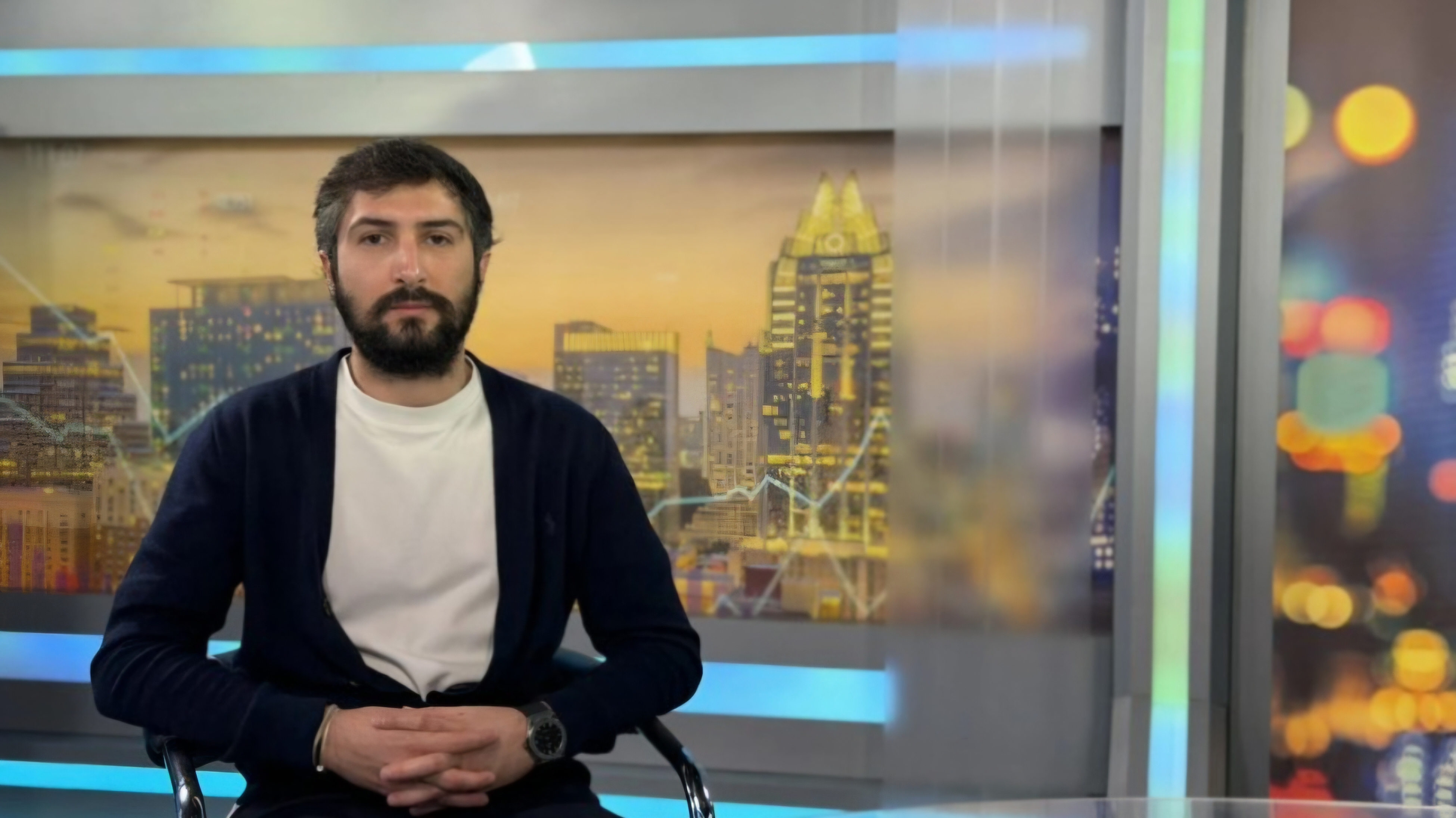
First of all, we need a deep-sea port - Givi Chachanidze
2026-03-29
The most critical thing in the “Middle
Corridor” is the lack of a deep-sea port - the commercial manager of Cosco
Shipping Lines stated this to “Business Course”.
Givi Chachanidze says that although
Georgian ports are currently operating at the limit of their capacity, they are
“auditing” the cargo in the corridor, but the modernization of the railway in
other countries participating in the “Middle Corridor”, including Georgia, the
construction of new infrastructure in Kazakhstan and Azerbaijan and the
addition of capacities, are important factors for Georgia to accelerate
projects and, first of all, the construction of a deep-sea port, so that
Georgia does not become a so-called “bottleneck” in the corridor.
“Nobody will spend money for nothing.
Accordingly, if infrastructure is being built there, we must also increase our
capabilities. I always say this and I will repeat it, we need a deep-sea port.
Because a house is built from the foundation, not from the roof. We must also
build a deep-sea port first, which is an automatic opportunity for new cargo to
enter this corridor. The construction of any other infrastructure ultimately
requires the existence of a deep-sea port. For example, if we invest money in
certain infrastructure (logistics centers, modernization of the railway, etc.),
new cargo will appear and we will not have a port that can receive large ships,
and the problem of transporting this cargo will arise,” Givi Chachanidze
believes.
The commercial manager of Cosco Shipping
Lines assesses the completion of the modernization of the railway as an
important event and believes that after the full implementation of the project
in the summer, the movement of freight trains will accelerate, including the
new railway line will allow the country to transport block trains without
breaking up. (Until now, the entire train had difficulty passing through the
pass and had to break up).
“This is a very good fact and directly
requires a deep-water port,” says Givi Chachanidze, noting that today Georgian
ports are already operating at the limit of their capacity and in this
situation it is difficult to work on attracting additional cargo.
“Today we have an “emergency” situation. If we were to calculate that we would not be able to fully utilize Central Asia physically, this cargo would not be able to reach Georgia either. I do not want the picture to appear as if we are the only ones with the problem, we also have problems with the Caspian Sea, small ships, small ports. Accordingly, of course, the problems that started there continue with us. We do not have a deep-sea port. Simply put, we do not have the infrastructure, the capacity that is needed to attract cargo from Central Asia. In the future, we must at least do something so that we are not completely dependent on the moment to make a small income in a short time. When something happens somewhere, then cargo comes to us... We must cut such a corridor once and for all and have such a positioning that, depending on the situation, cargo does not come to us, but they make a choice on our corridor,” says Givi Chachanidze.
bm.ge