News
Large Enterprises of Central Asian Countries and the Middle Corridor
2026-07-28
Kazakhstan occupies the leading place in cargo
transportation between the countries of Central Asia and the European Union,
accounting for 93.3% of the total cargo turnover.
Kazakhstan is significantly lagging behind the rest of the
Central Asian countries, namely, Turkmenistan follows Kazakhstan with a 3%
share, then Uzbekistan with a 2.3% share, Kyrgyzstan – with 1.1% and, finally,
Tajikistan – with 0.3%.
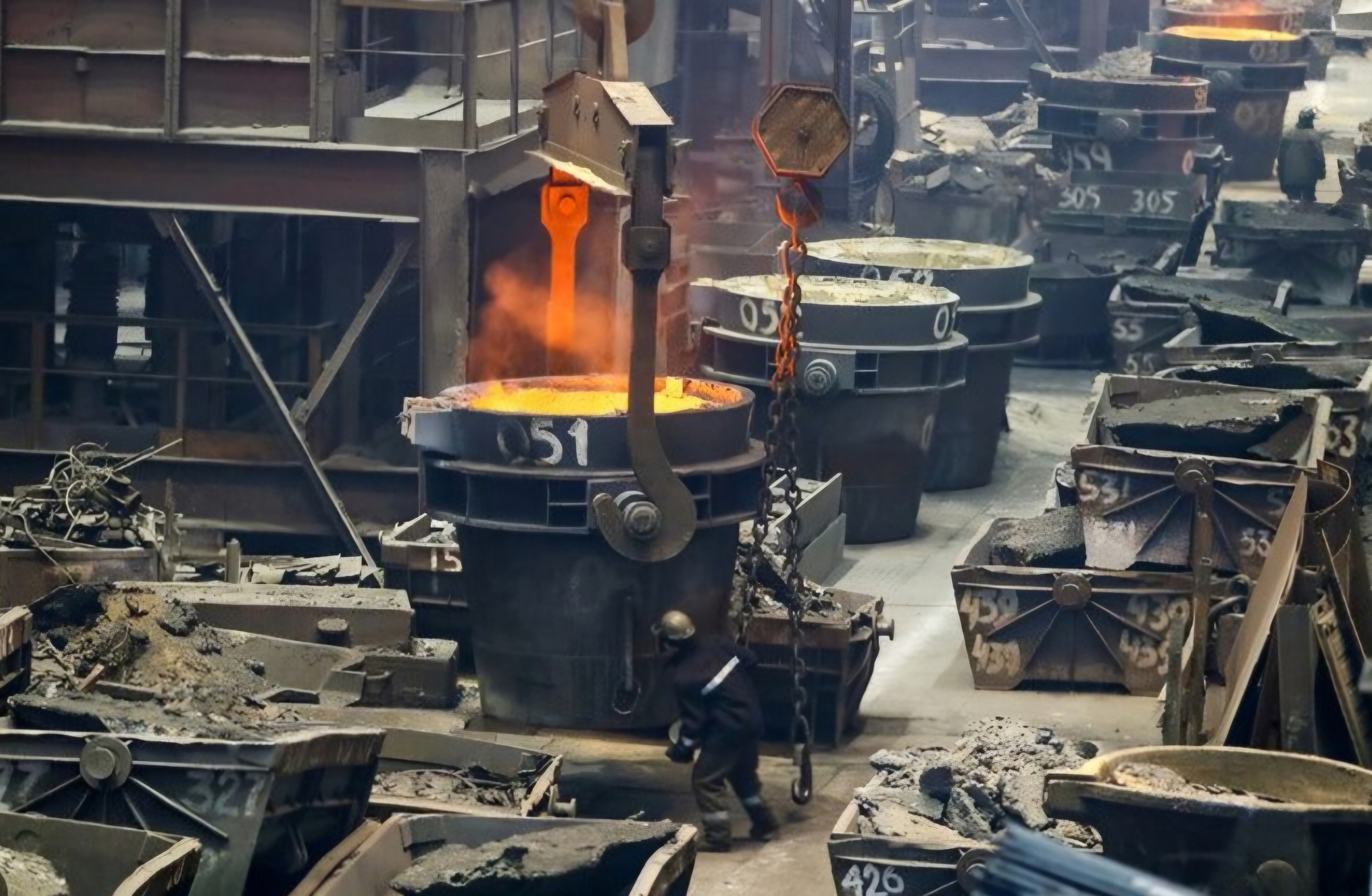
The mining and metallurgical complex is one of the main
driving sectors of the Kazakh economy. In 2024, its share in the country's GDP
amounted to 8%, or $ 23 billion.
Kazakh Railways remains a company that is significantly
dependent on the dynamics of the development of Kazakhstan's mining sector.
In recent years, nine of the ten largest clients of Kazakh
Railways (by volume) are companies related to the mining sector.
These include:
Bogatyr Komir (coal);
Kazakhmis (coal, non-ferrous and ferrous metals, chemical
products);
Sokolov-Sarbay Mining and Processing Plant (SSGPO) (part of
Eurasian Resources Group (ERG) - iron ore);
Eurasian Energy Corporation (EEC, Eurasian Resources Group
(ERG) - coal;
Shubarkol Komir (Eurasian Resources Group (ERG) - coal);
Qarmet (coal and ferrous metals);
Kazakhstan Aluminum (Eurasian Resources Group (ERG) - non-ferrous
metals and limestone);
Karajira (coal);
Kazchrome (Eurasian Resources Group (ERG) - ferrous
metals).
Of the ten largest customers of Kazakh Railways, only one -
Batys Trans Group - is engaged in the transportation of oil products.
These ten large customers provide the largest share of
Kazakh Railways' services - 53%.
It is also worth noting that half of Kazakhstan Railways'
largest customers are in the same Group - Eurasian Resources Group (ERG).
In the case of most of the nine named companies directly
related to the mining sector, their transportation volumes have been growing in
recent years.
Although the largest clients of Kazakh Railways - mining
companies - have increased their transportation volumes in recent years and,
most likely, in the coming years, Kazakh Railways will also record a further
increase in the transportation volumes of mining and quarrying products, the
transportation of mining and quarrying products is usually characterized by low
profit margins, often losses. Since transportation tariffs have not increased
as sharply as Kazakh Railways demanded in recent years, mining and quarrying
products will still remain a filler cargo flow in transport corridors.
Tariff Policy Department of Kazakh Railways According to the
head: “The tariffs set for the transportation of coal, non-ferrous and ferrous
metal ores from industrial enterprises and mining and metallurgical complexes
are unprofitable for us, and in some cases even unprofitable.”
The current stagnation in the Russian market caused by
sanctions and the high logistics costs associated with cargo transportation in
China are likely to push large Kazakh companies to turn to the Middle Corridor.
In such conditions, despite the fact that the volume of iron ore transportation
on the Kazakh railways is increasing, according to ERG, the Middle Corridor
taken as a whole is not infrastructurally ready to receive and transport
additional cargo flows. This problem can be resolved through coordination
between the governments of the Middle Corridor countries and the signing of a
joint strategic agreement.
Conclusions:
Currently, the Central Asian region is undergoing a process
of “re-imagining” cargo flows and their distribution along various transport
corridors - establishing them, which is confirmed only by the statements of the
Kazakh government about investing billions of dollars in the mining industry of
Kazakhstan;
Georgia should not limit itself to the function of a cargo
flow conduit in this process, but should itself be an offerer of logistical
opportunities for the countries of the middle corridor to conduct new cargo
flows;
Kazakhstan’s railway transportation alone, based on its
industrial potential, fluctuates within the range of 100-120 million tons per
year. Of this volume, 60-70 million tons are transported annually to and
through Russia. Only a small volume - 1.5 - 2.0 million tons - reaches the
Georgian section of the corridor and its ports, which is undoubtedly a small
volume and represents a lost opportunity for the Middle Corridor, since, as the
study of the industrial potential of Kazakhstan has shown, there is a prospect
of attracting an additional 4-5 million tons of cargo by land from Kazakhstan
alone;
In order to identify the industrial potential of the Central
Asian countries and strengthen the economic potential of the transport corridor
passing through Georgia, it is necessary to nominate economic advisors to the
Georgian embassies of these countries to perform this function;
Since the Middle Corridor is one of the country's important economic levers, it is advisable to have a permanent analytical group of experts in the state administration vertical, similar to neighboring countries, related to the development of the corridor and the attraction of cargo.
Source: transcor.ge